Names have long influenced how others perceive people and places. At a conference I once attended, I had the opportunity to discuss naming and power. One example that stood out was the term “Middle East.” For many residents of the region, the name itself carries little meaning because it is defined from an outside perspective. After all, “middle” and “east” relative to whom, exactly? Another example is the problematic term “sub-Saharan,” which has to be dismantled.
Labels like this remind us that geographic names often reflect the viewpoints of those with the authority to define maps, lands, and regions.
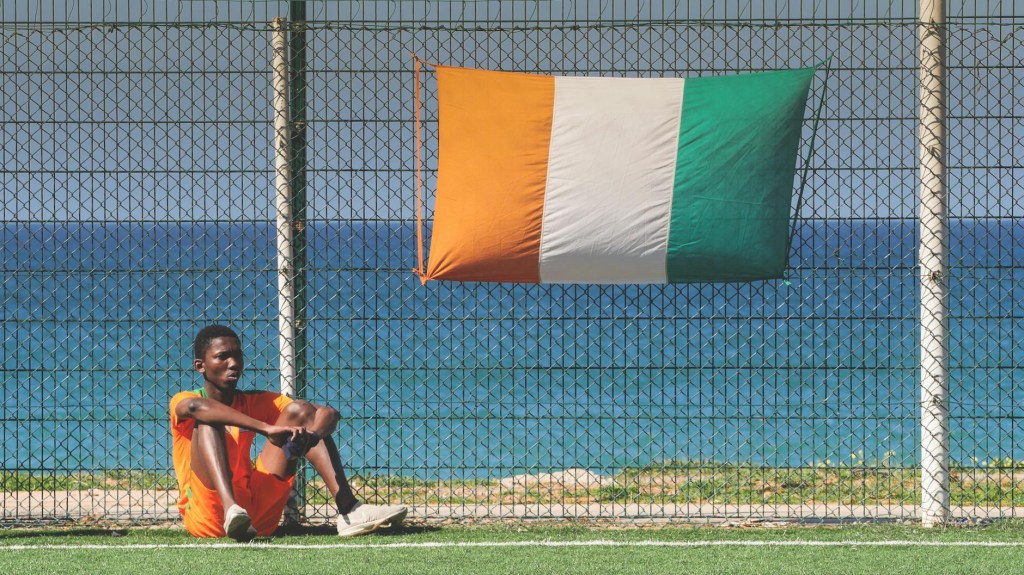
I see similar patterns in the historical naming of places in Africa, such as the Slave Coast, the Gold Coast, and the Ivory Coast (which “Ivorians” are yet to change).
These names reduced entire societies and cultures to commodities sought by outsiders. Instead of recognizing the complexity of the people living there, the names framed these regions mainly as sources of trade and extraction. Even today, the ongoing use of some of these names shows how deeply historical power structures can influence the language we inherit.

