https://canva.link/6uz9vmmj3pfq3v3
Abstract
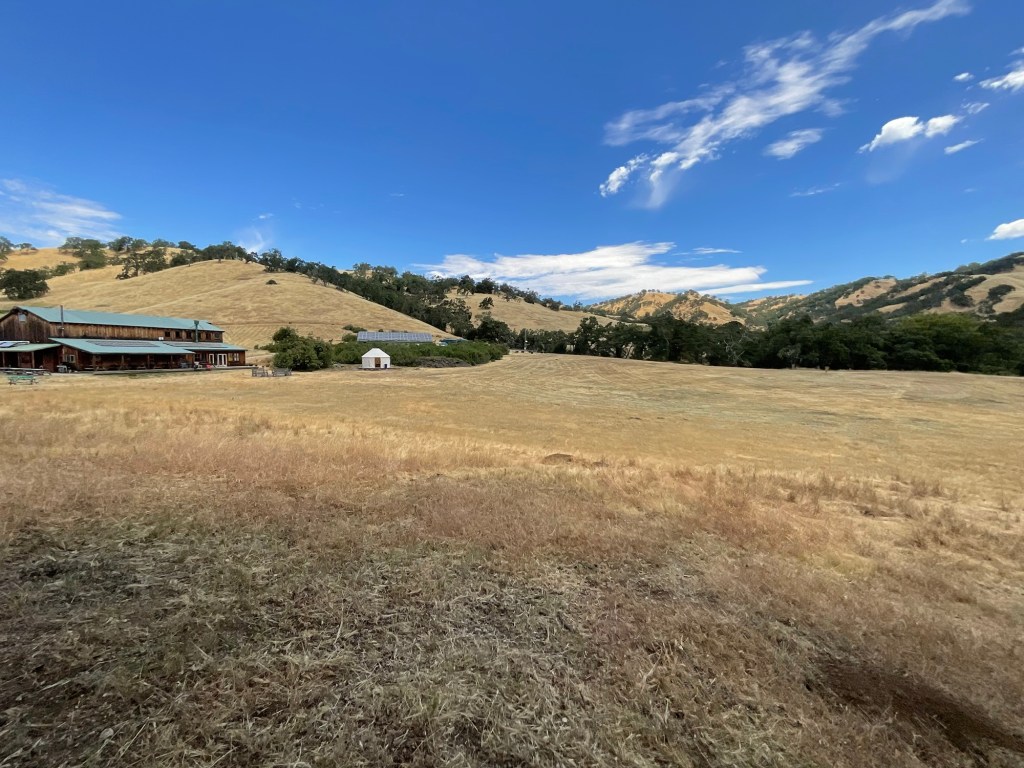
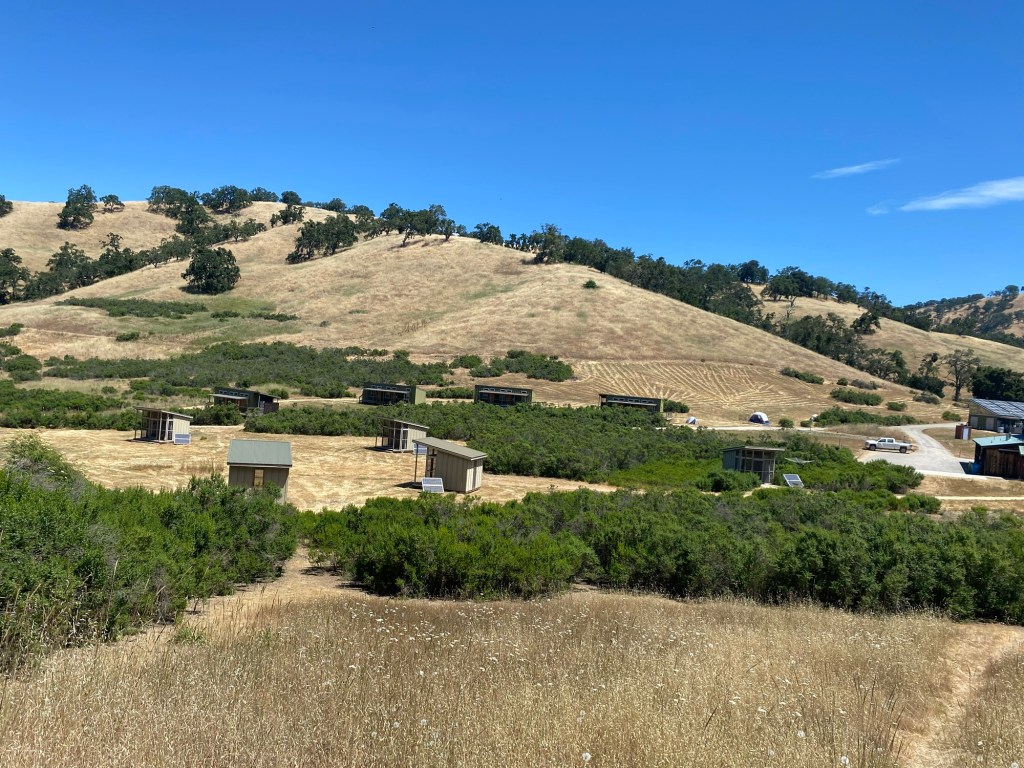
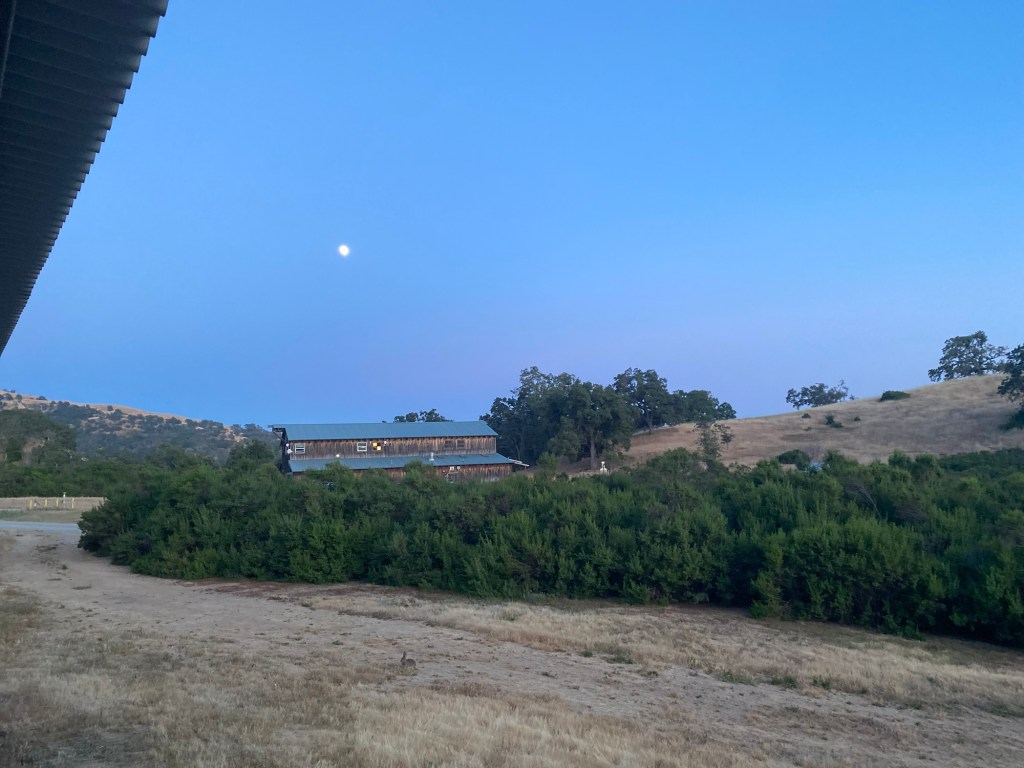
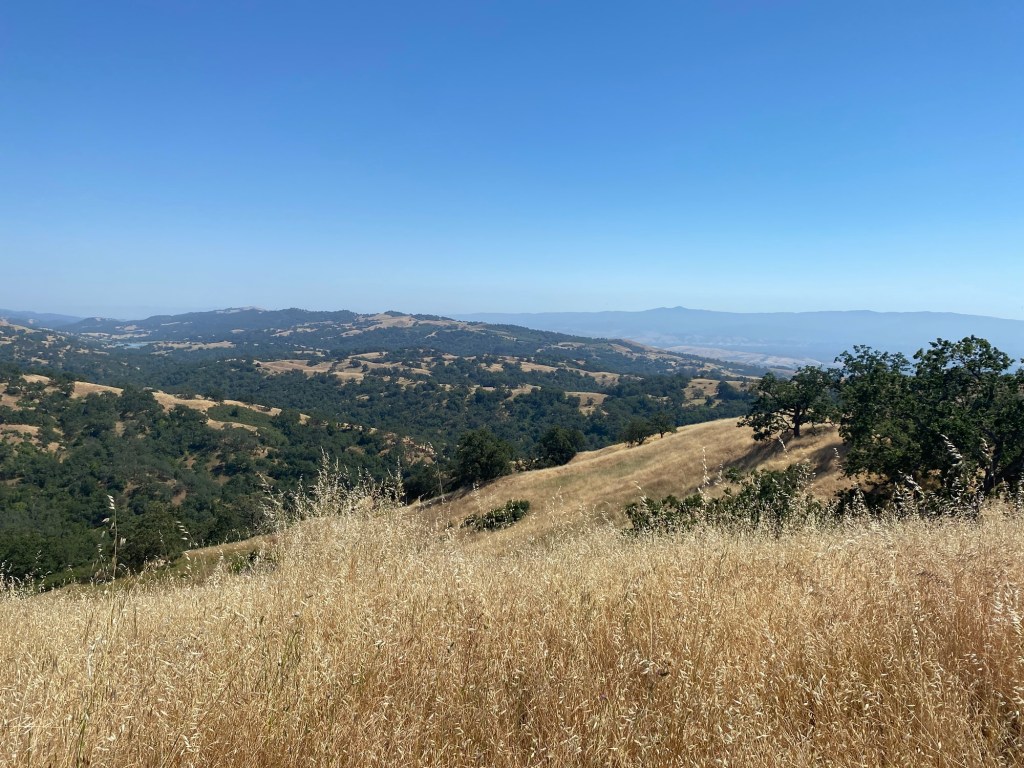
This paper examines how the natural/physical environment influences both movement and memories. By drawing on personal experiences from growing up in Nigeria and living in the mountains of Northern California and New Mexico, as well as observations of nonhuman movement and embodied conflict-resolution practices involving elephants and bees in Kenya, this study investigates how both human and nonhuman bodies, along with their landscapes, serve as archives of memory and knowledge-making. Drawing on Marcel Mauss’s techniques of the body, Pierre Bourdieu’s notion of habitus, Petra Küppers’s pain and performance, Susan Leigh Foster’s Knowing as Moving, and Michel de Certeau’s spatial practices, I argue that movement is more than mere physical displacement; it is a process of knowledge creation. Using a chart, I interpret Maurice Merleau-Ponty’s phenomenology of perception; this paper views the body and mind as interconnected with their environment. In summary, it advocates for forms of coexistence grounded in embodied listening, ecological mindfulness, and shared corporeality between human and more-than-human worlds.
Keywords: corporeality, relationality, performance, movement, lived experiences, embodiment, memory, mountains, ecology, body, land, indigenous, California, New Mexico, Nigeria, more-than-human
https://orcid.org/0009-0002-6939-2789

