Urban Space & Ecological Memory
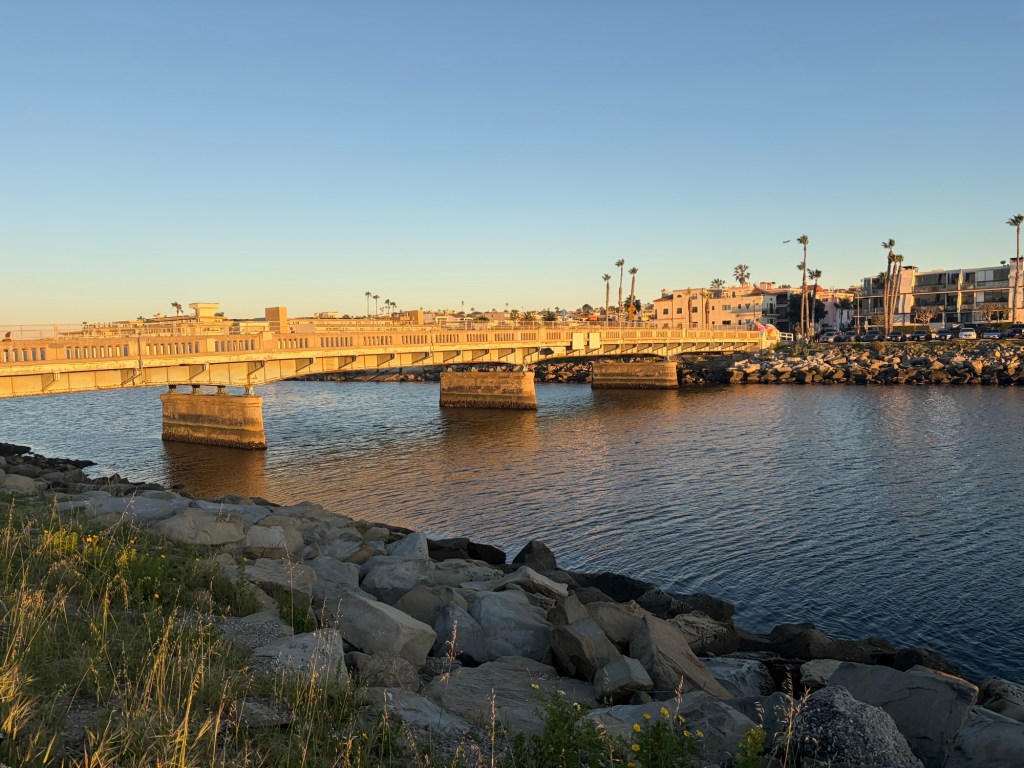
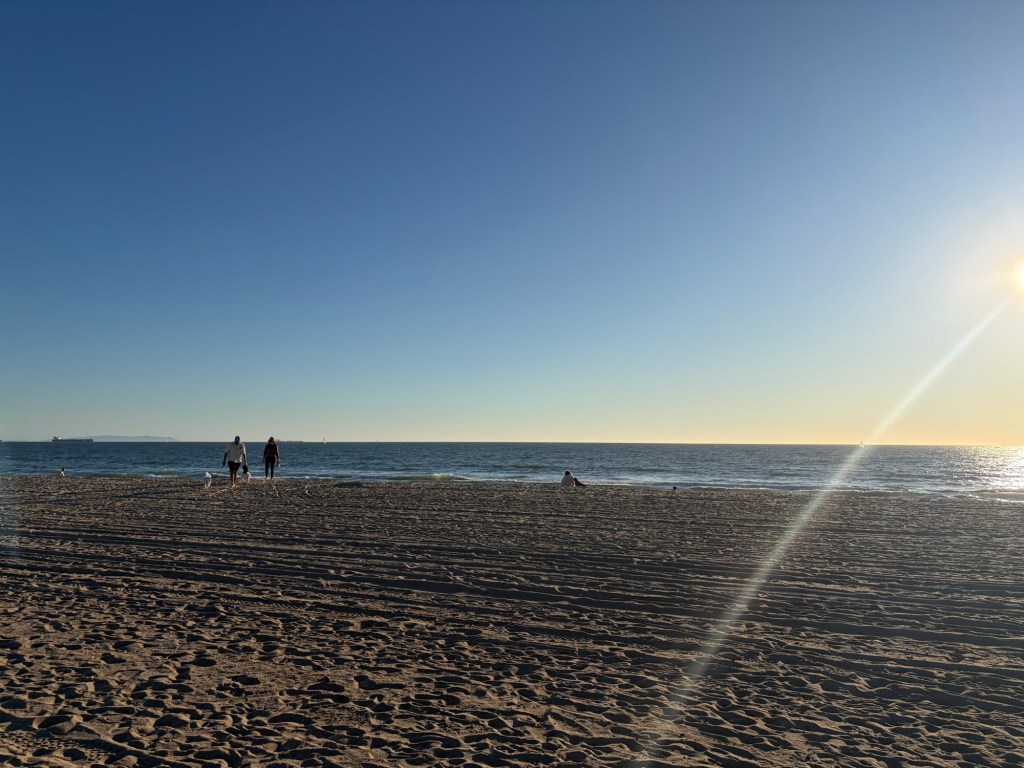
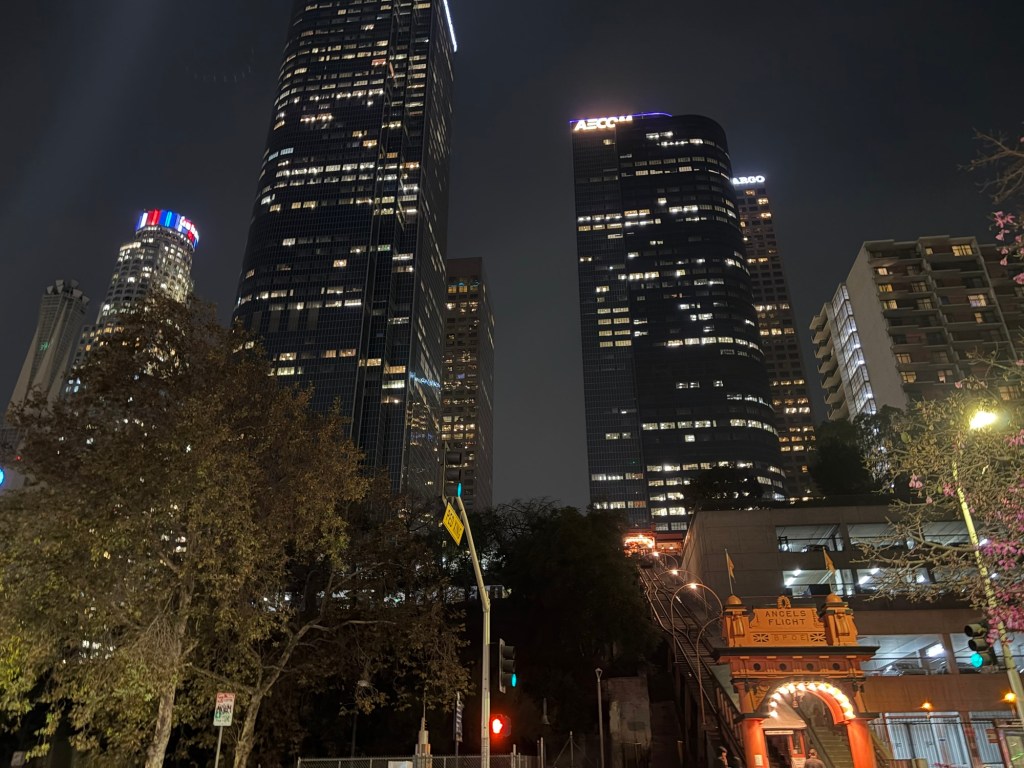
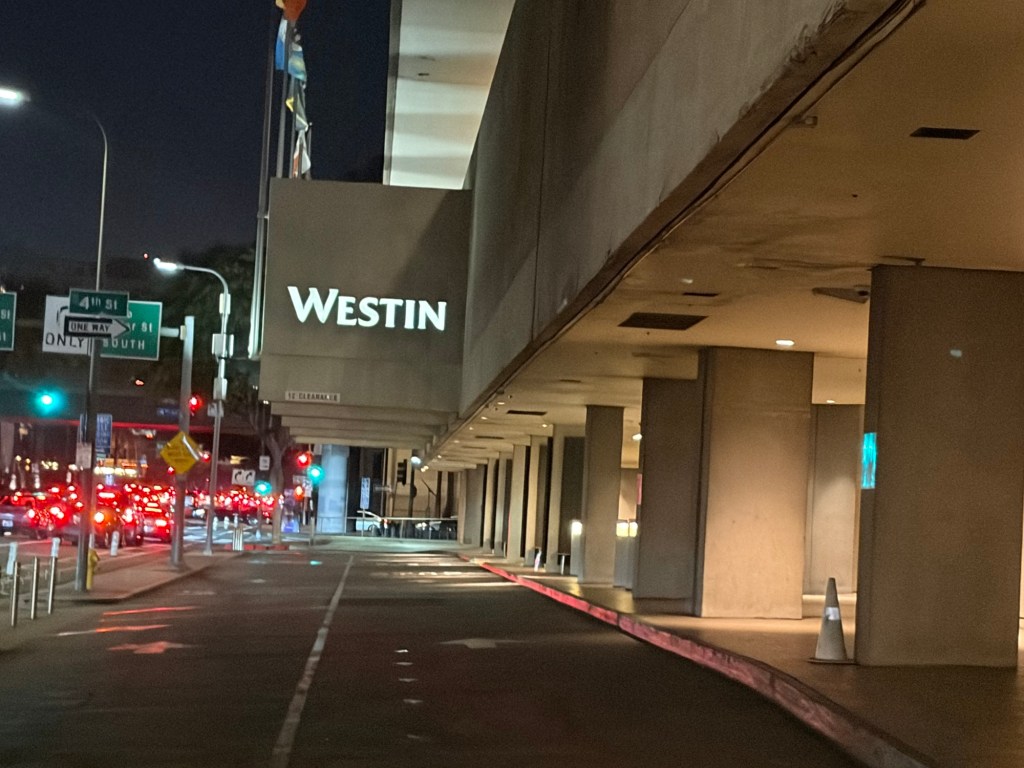
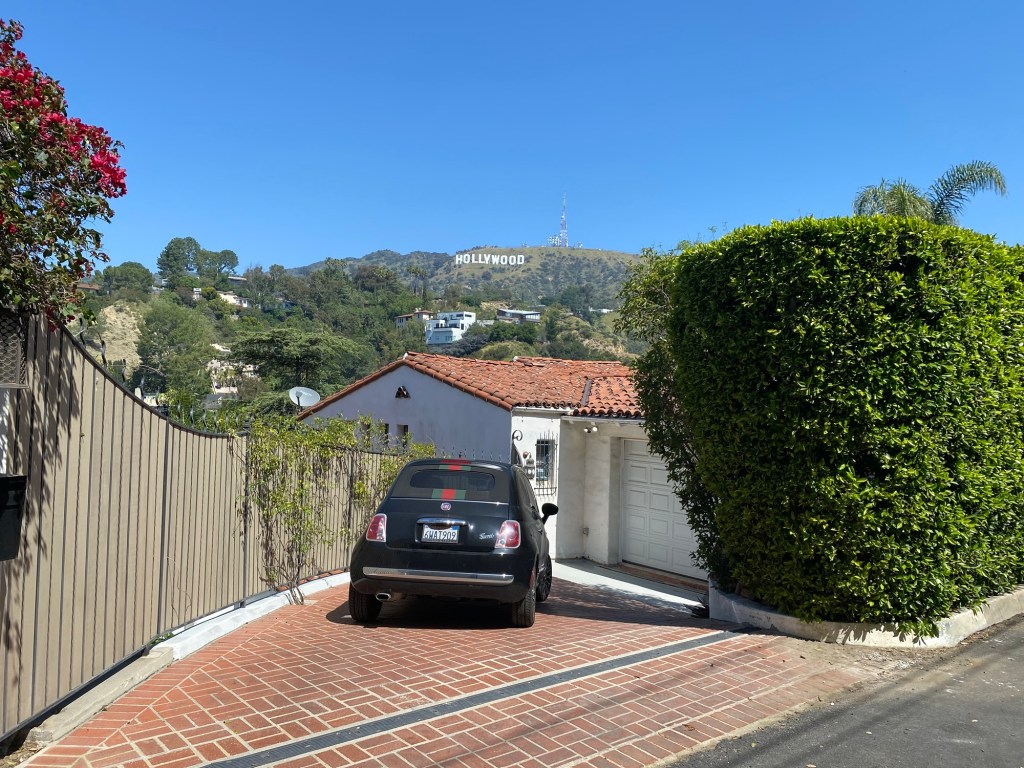
Los Angeles is often seen as a spectacle: film studios, freeways, and the ceaseless growth of a city driven by movement. But beneath this image lies a landscape that has long been inhabited, named, and listened to by Indigenous communities whose ties to land and water come before the city itself.
In my research, I have been contemplating listening as an ethical practice—one that arises from Indigenous epistemological frameworks that see land and sea as living, agentive presences rather than passive environments.
This poem arises from that reflection. After spending time at the Blue Oak Nature Reserve in Northern California, I started to rethink the perceived separation between land and ocean. What once seemed like two separate environments now appears as a continuous interconnected space. When I returned to Los Angeles with this awareness, the city started to sound different.
The following poem seeks to listen to Los Angeles not just as an urban space, but as a place situated between mountain, basin, and sea—where histories, ecologies, and human movements intersect.
Writing this poem helped me realize that Los Angeles is not just an urban space but also a place of ecological memory. Hidden beneath highways and neighborhoods are riverbeds, wetlands, and coastal systems that continue to influence the city’s life.
Approaching the city by listening fosters a different relationship with place. It encourages us to think about how urban spaces are still connected to land, water, and histories that go beyond modern infrastructure. In this way, Los Angeles becomes more than just a city; it’s a living landscape where land and sea continue to speak—if we take the time to listen.
A Poem of Los Angeles 1
Morning begins before the sun
when the freeway exhales its first long breath.
Concrete rivers hum through the basin,
and the city stirs between mountain and sea.
I walk through Los Angeles
like someone learning to listen again.
Not just to traffic
or the restless choir of sirens,
but to quieter things—
wind threading through palms,
gulls circling above the harbor,
roots of old trees
lifting sidewalks inch by inch.
When I first came here
I thought the land and the ocean
were separate stories.
One was distance—
dry hills and chaparral dust.
The other was movement—
tides folding themselves
against the long blue edge of the city.
But the longer I stayed
the more the city taught me
that separation was only a habit of thinking.
Mountains speak to the ocean
through rivers that no longer remember their names.
The sea answers with fog
rolling inland like a slow conversation.
Somewhere between them
a student from far away
tries to understand what it means
to belong to a place
that is always becoming.
I remember the quiet of Blue Oak trees
far to the north—
the patience of soil,
the slow language of wind in branches.
That memory follows me south
into this sprawling metropolis.
Here, listening is harder.
The city interrupts itself constantly.
Yet sometimes
in the brief pause after a train passes
or when evening light
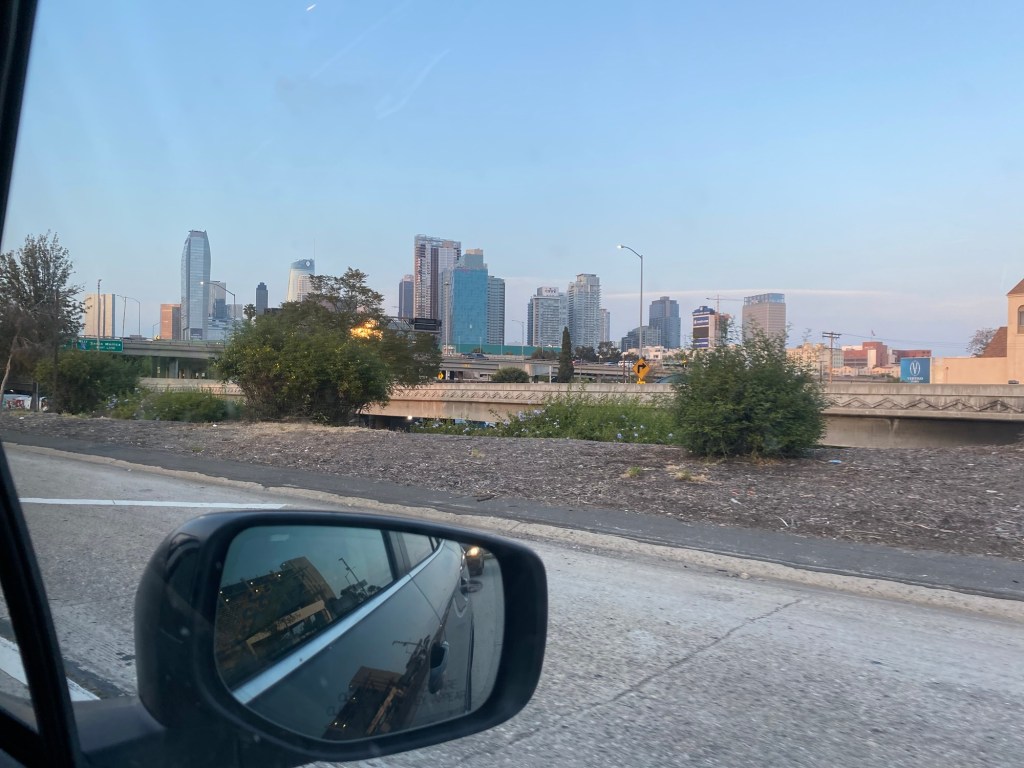
rests on the glass towers of downtown,
I hear the same quiet instruction:
Land is not scenery.
Water is not distance.
Both are living archives
older than the maps
that divided them.
Los Angeles keeps whispering this lesson
in languages of wind, tide, and asphalt—
that even here,
in a city of millions,
the earth is still speaking.
And the work
is simply
to listen.

