No one wants an army of ants patrolling around their front door or garden. But talk of an endless stream of army ants? That doesn’t sound very appealing.
I saw a file of soldier ants (ólú-mba in the Igbo language) last night. I never imagined they would mobilize into a larger force. The next morning, I saw the army ‘arrest’ a big mamba and some insects. In one raid, they can strip a garden of living things. In West Africa, soldier ants live in the forests and rarely come into contact with humans.I’m impressed with the teamwork exhibited by army ants. It’s difficult to break through a fortified line, so when they ambush prey, it’s even harder for the prey to escape. They march through cold nights and scorching sun, building shelters to minimize weather effects. During their night raids, they surprise sleeping rodents and insects. I’ve seen them build bridges with leaves, sticks, sand, and stones. Soldier ants are very intelligent, and their leadership structure is strong and effective. Every ant has a role to play, and each has mastered its responsibilities! I’m especially cautious of ants with the most prominent heads.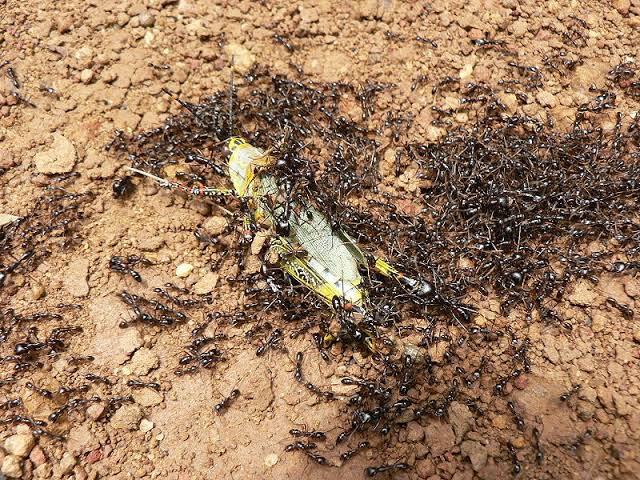 When they march, it’s swift like a fast-moving stream, drowning unsuspecting grasshoppers, bugs, worms, spiders, lizards, snakes, livestock, and all forms of life. The unfortunate victims are killed, stripped of flesh, and then carried away in pieces. Soldier ants are highly organized flesh eaters. They can attack any living thing, and there are reports of assaults on vulnerable humans. It’s recommended to avoid them.
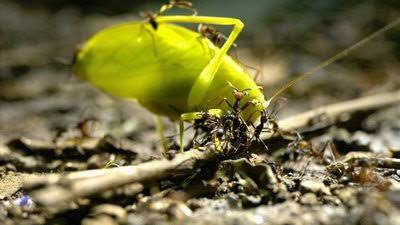 To keep these ants away, use insect repellent dust or petroleum products like crude oil or gas. Ash can also help keep them out. Indeed, no insect has such organizational ability as the soldier ant.


2 responses to “Soldier Ants”
I am fascinated by ants. Great post. Thank you. 🙏
LikeLiked by 1 person
Thank you 😊
LikeLiked by 1 person