Abstract
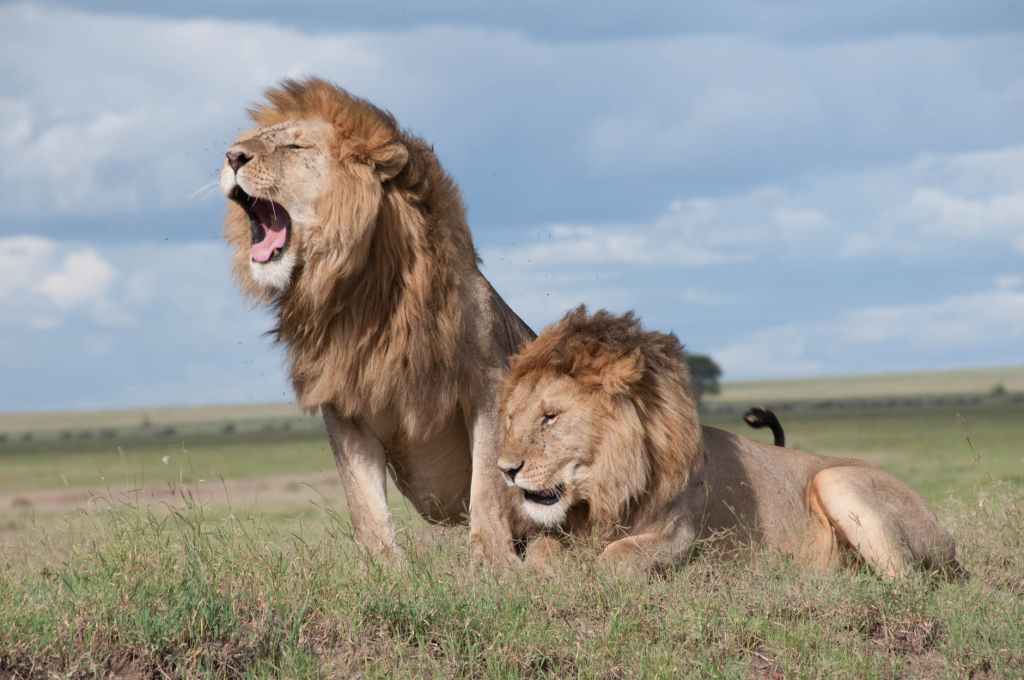
This seminar paper analyzes The Ghost and the Darkness (1996) as a cinematic performance that rehearses and naturalizes colonial authority under the guise of a historical adventure. Instead of viewing the film solely as a survival story about the Tsavo Man-Eaters during British railway construction in colonial Kenya, I argue that it functions as a staged reenactment of imperial dominance. Drawing on Richard Schechner’s concept of restored behavior, I suggest that the film brings to life scripted gestures of colonial masculinity—such as discipline, rationality, and technological skill—through the character of Colonel John Henry Patterson. His authority derives less from historical accuracy than from repeated imperial performances that make colonial rule seem inevitable and heroic. Engaging with Rebecca Schneider’s idea of performance remains, I further argue that the film does not resolve colonial violence but instead manages and displaces it through spectacle. The lions function as nonhuman performers onto whom colonial anxieties are projected. Their ritualized killing dramatizes the restoration of order while masking the structural violence of empire and minimizing indigenous agency. African, Arabian, and Indian workers mainly appear as silent witnesses, their suffering absorbed into a story of Western masculine triumph. Framing the film as a site of performance rather than straightforward representation, this paper reveals how Hollywood rehearses colonial memory for modern audiences. The Ghost and the Darkness ultimately turns imperial domination into a mythic adventure, shifting focus away from historical accountability and perpetuating colonial ideologies through repetition, spectacle, and erasure. In this paper, I will briefly discuss Erving Goffman’s idea that a performer must believe in the role they are playing within a specific context. I will relate this concept to Colonel Patterson’s performance. Additionally, I will touch on Rosemary Garland’s concept of extraordinary bodies, as outlined in her work on “Freakery,” to support my argument that the Tsavo lions, whose agency was diminished during their lives, continued to lose agency through posthumous performances. This paper, therefore, asks: How does The Ghost and the Darkness perform and naturalize colonial authority through cinematic spectacle? How does the film reproduce colonial masculinity through repeated gestures of discipline, rationality, and technological mastery? And how are colonial anxieties surrounding land, labor, and resistance displaced onto the lions while African workers are rendered spectators?
Keywords: culture, performance studies, colonial critique, human-wildlife conflict, English studies
Presentation
1st International Conference of the Department of English and Literary Studies, ESUT, Enugu, Nigeria.

